
Lead the frontier
of intelligence,
together.

The next great
leap in AI
is human intuition.
Assembling the world's
leading minds, our community brings intuition to AI training.
Join the people steering frontier intelligence
Define what "right" means in your field. Build evaluations and reasoning standards that frontier systems must meet.
TESTIMONIALS
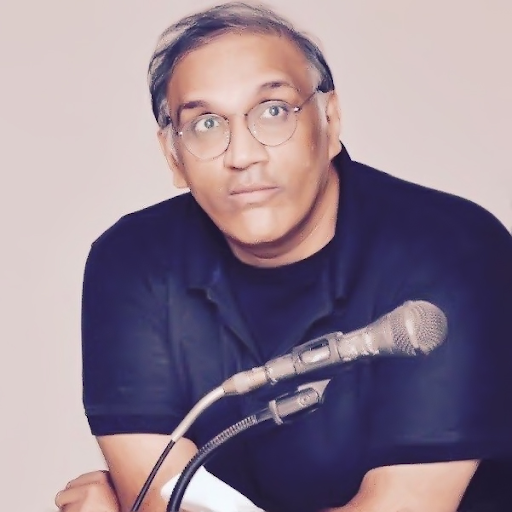
Amer Iqball, String Theorist (MIT) and acclaimed researcher
I'm glad to be part of HFC, helping improve how the latest AI models reason. These systems are already essential in academic research, and I believe they'll matter even more for advances in mathematics and physics. I hope to contribute to their development while deepening my understanding of their capabilities and limits.
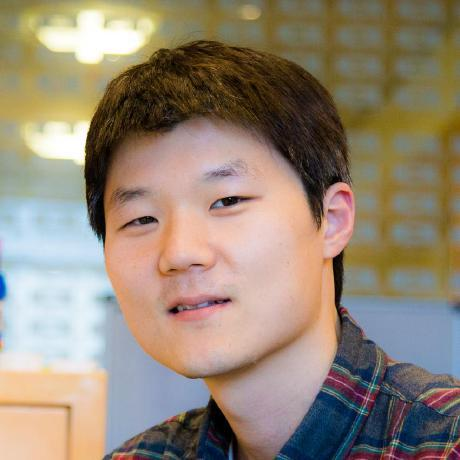
Jongmin Sung, Physics PhD at Stanford and Roche
It is a privilege to be part of HFC. As a scientist and engineer who uses AI in my daily work, every day feels magical. I'm deeply optimistic that we can help solve humanity's greatest challenges in health, energy, and climate. As an HFC member, I'm proud to be part of this journey.
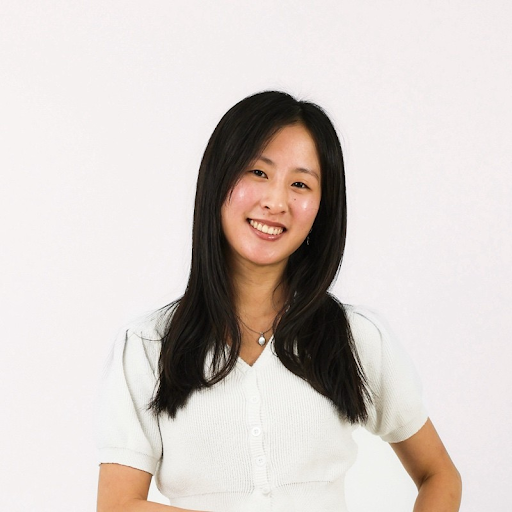
Jennifer Su, Biology PhD at Harvard Medical School
Joining HFC as a STEM fellow has allowed me to contribute to the development of next-generation LLMs in ways that intersect directly with my research, providing me a unique vantage point into how these models reason through realistic, high-level scientific problems.
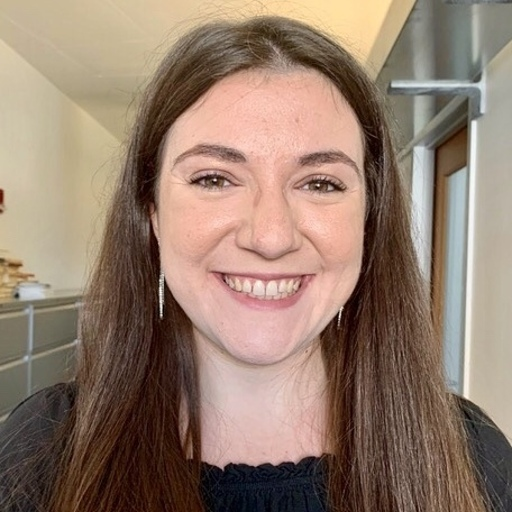
Anastasia Tsilia, Linguistics PhD at MIT
The HFC brings together researchers from different fields to help shape the future of AI. It's a rare space where theory directly informs real model behavior. As a linguist, it's especially rewarding to see insights about structure and meaning used to build and test models. I'm excited to collaborate with Scale researchers and contribute to how we think about "more human" and safely superhuman systems.
Mohammad Mahmoudi, Finance Researcher, PhD at UIUC
HFC allowed me to work directly with Scale Labs on research projects at the frontier of AI evaluation, including authoring legal benchmarks for PRBench, later accepted at ICLR and ACL. It was a unique opportunity to apply my finance background to challenging benchmark design, help train stronger models, and contribute to meaningful AI research.
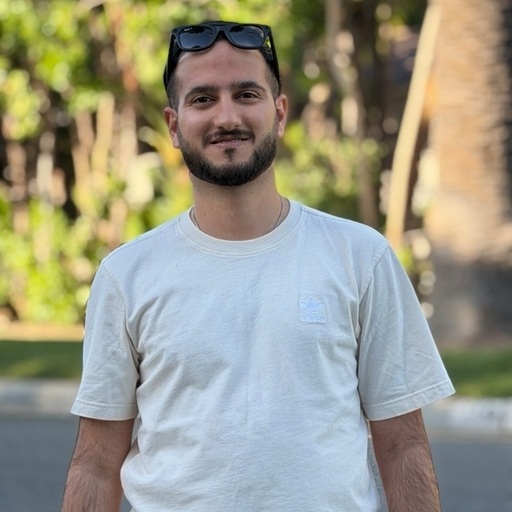
Tram Nguyen, Material Science PhD at Johns Hopkins
Even if I can't code, I can still contribute to the advancement of AI. HFC showed me that expertise comes in many forms and that every discipline has something valuable to teach AI.
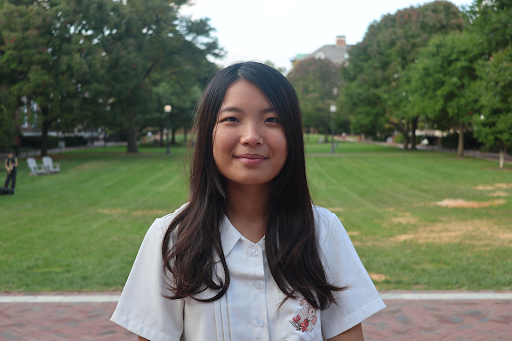
Shreejith SG, AI Researcher at Meta
Being part of HFC has opened doors I never expected. I get to collaborate with experts from all over the world, learn from people at the top of their fields, and contribute to the next generation of AI research.
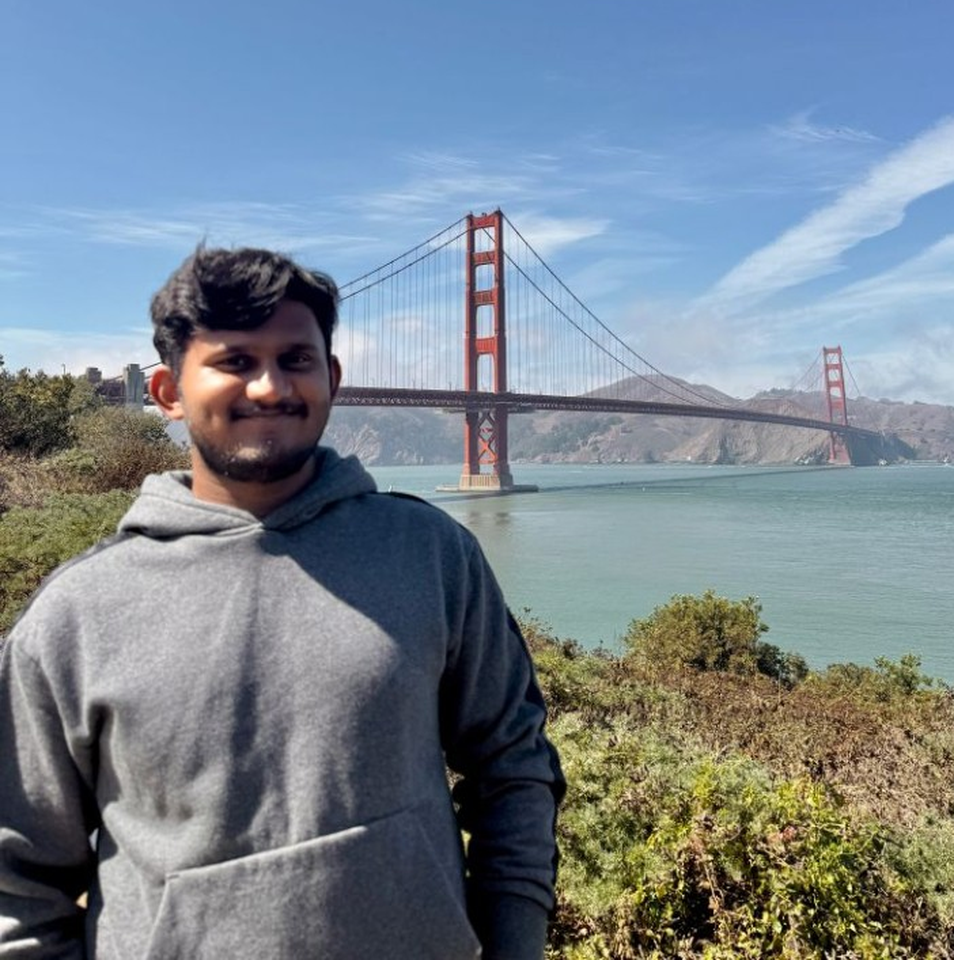
Rong-Ching Chang, Computer Science PhD at UC Davis
It's been a privilege to be part of the Human Frontier Collective. Working with the SEAL research team to build benchmarks and study compositional tool-use behavior in models has been one of the most rewarding parts of the experience. It has sharpened both my research thinking and how I work with these models.
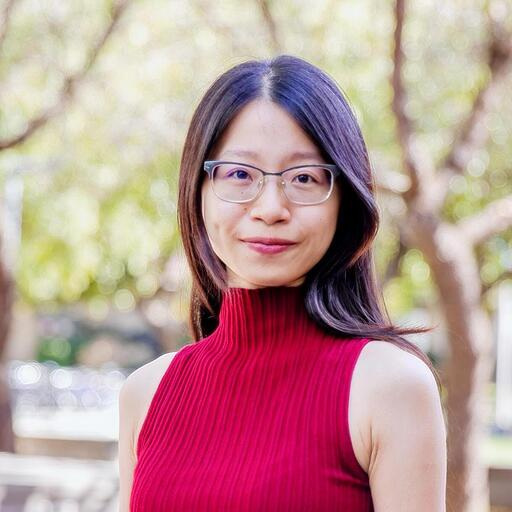
Gurshaan Chatta, Attorney, MBA at Berkeley Haas
Working with HFC on AI evaluation and legal decision-making research has been one of the most demanding and rewarding experiences I've had. I worked directly with Scale Labs to co-author legal benchmarks for PRBench, accepted at ICLR and ACL, sharpening how I evaluate model reasoning, risk, and real-world performance.

Tram Nguyen, Material Science PhD at Johns Hopkins
Even if I can't code, I can still contribute to the advancement of AI. HFC showed me that expertise comes in many forms and that every discipline has something valuable to teach AI.
Shreejith SG, AI Researcher at Meta
Being part of HFC has opened doors I never expected. I get to collaborate with experts from all over the world, learn from people at the top of their fields, and contribute to the next generation of AI research.
Rong-Ching Chang, Computer Science PhD at UC Davis
It's been a privilege to be part of the Human Frontier Collective. Working with the SEAL research team to build benchmarks and study compositional tool-use behavior in models has been one of the most rewarding parts of the experience. It has sharpened both my research thinking and how I work with these models.
Gurshaan Chatta, Attorney, MBA at Berkeley Haas
Working with HFC on AI evaluation and legal decision-making research has been one of the most demanding and rewarding experiences I've had. I worked directly with Scale Labs to co-author legal benchmarks for PRBench, accepted at ICLR and ACL, sharpening how I evaluate model reasoning, risk, and real-world performance.


People the frontier needs
The Collective spans dozens of disciplines. These are a few constants:



















Kinds of Research
The scientific method for frontier AI.
You don't have to be an ML researcher to develop advanced AI. HFC is peer review at the frontier, where domain leaders pressure test models, set standards, and publish what holds up.
Published co-authorship
Some questions deserve a publishable answer. Fellows work directly with Scale's ML researchers to study frontier model behavior and turn the findings into a research artifact the field can use. You'll help carry it from idea to result, and into writing that stands on its own.
Research design
Frontier AI needs research agendas grounded in real disciplines. Fellows bring field expertise into the lab to shape what gets studied and define what "good" means in context. You'll influence how the work is framed and what gets treated as evidence before anything is measured.
Applied work
This is where expert judgment becomes training signal. Fellows contribute to active research programs through hands-on, scoped work that makes model behavior legible and testable. The output is practical and reusable, and it feeds directly into what gets improved next.
Make your field legible to machines
Join domain tracks where your field's standards become the reference point for advanced systems.
Make an outsized impact with the Fellowship
HFC is a selective Fellowship of domain leaders who contribute to frontier AI research through co-authorship, research design and lab advisory, and applied work. The goal is to translate real disciplinary standards into artifacts that improve how advanced models are trained, tested, and advanced safely.